Ratanda, Lesedi Local Municipality | 12 June 2026
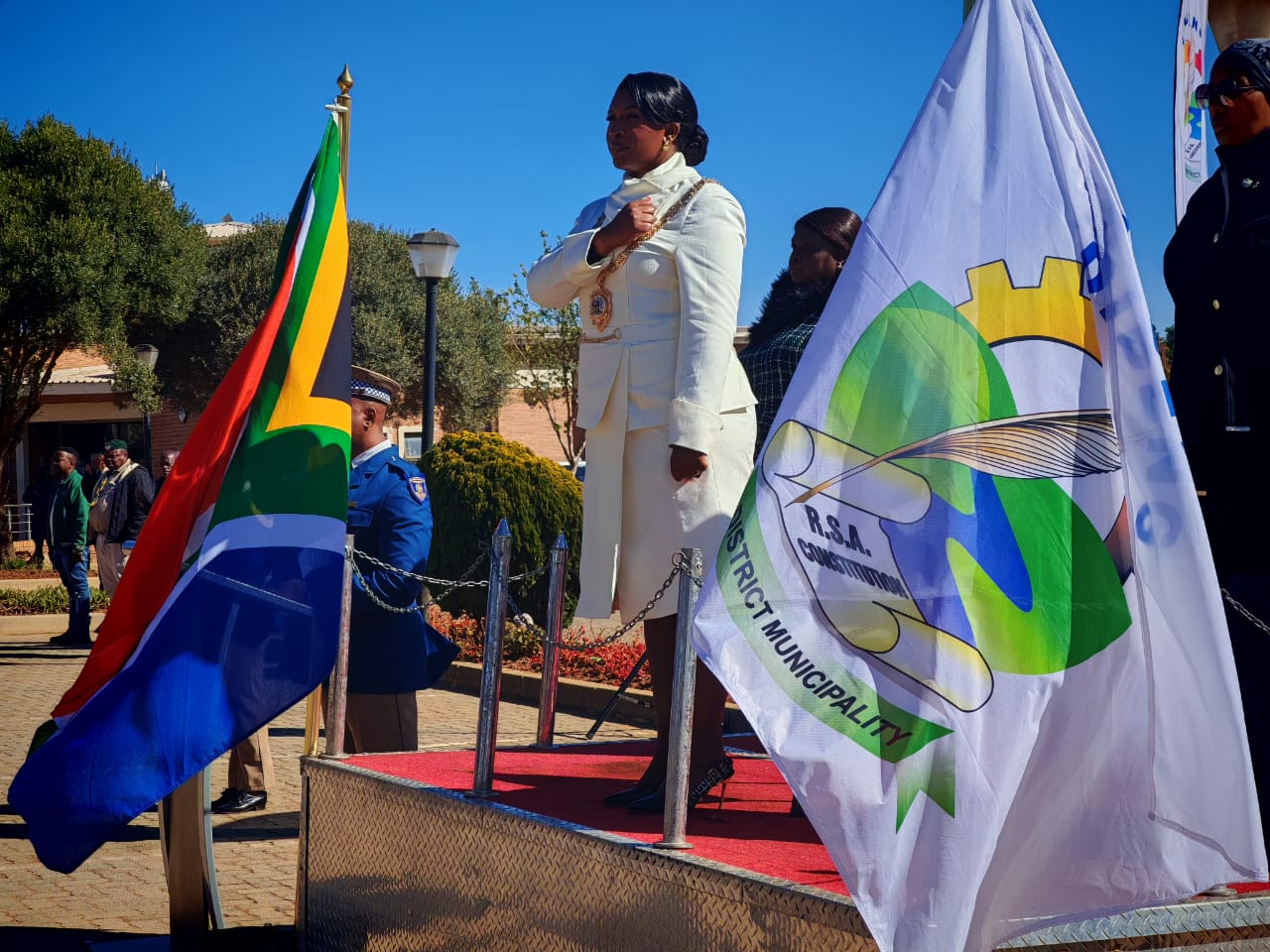
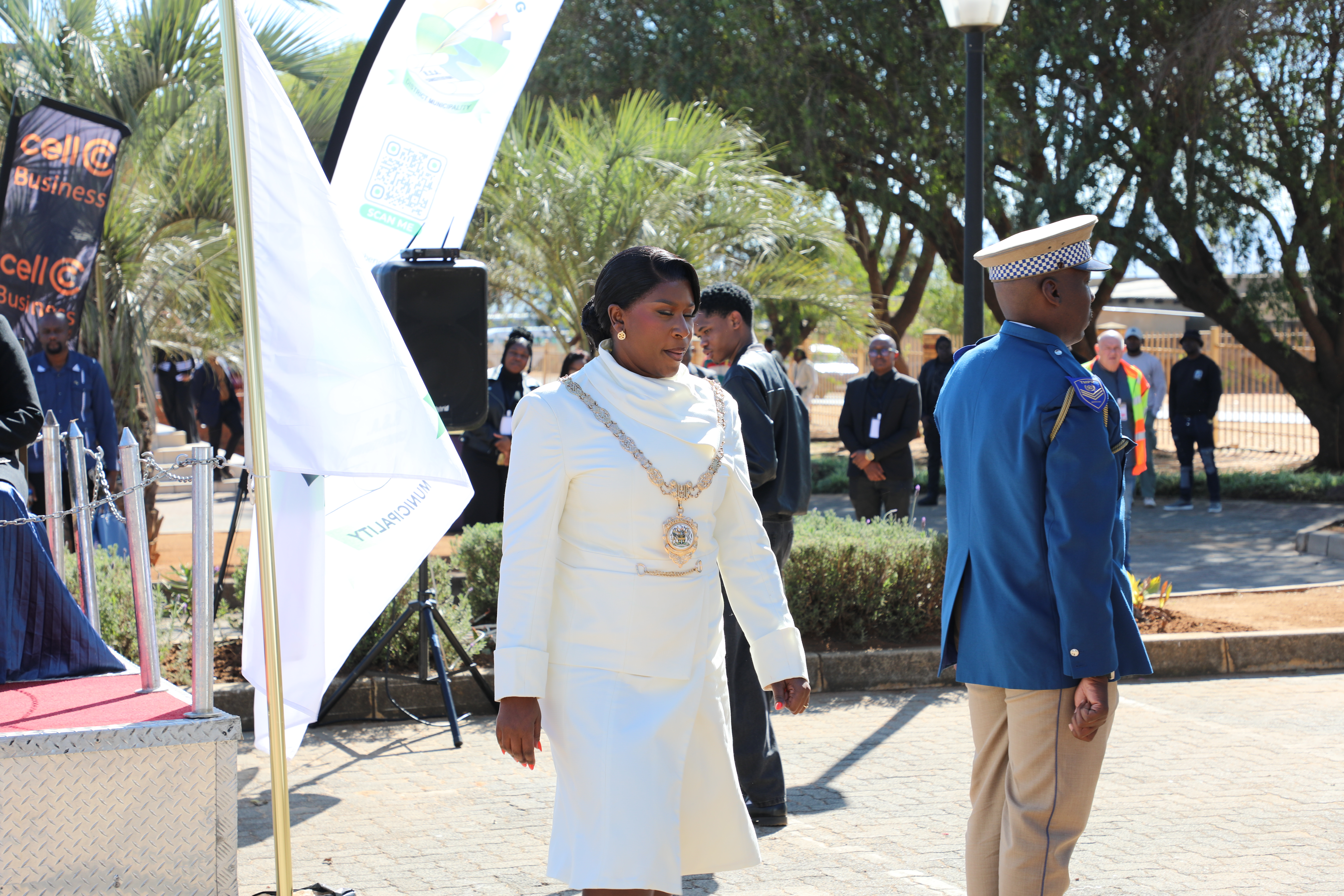
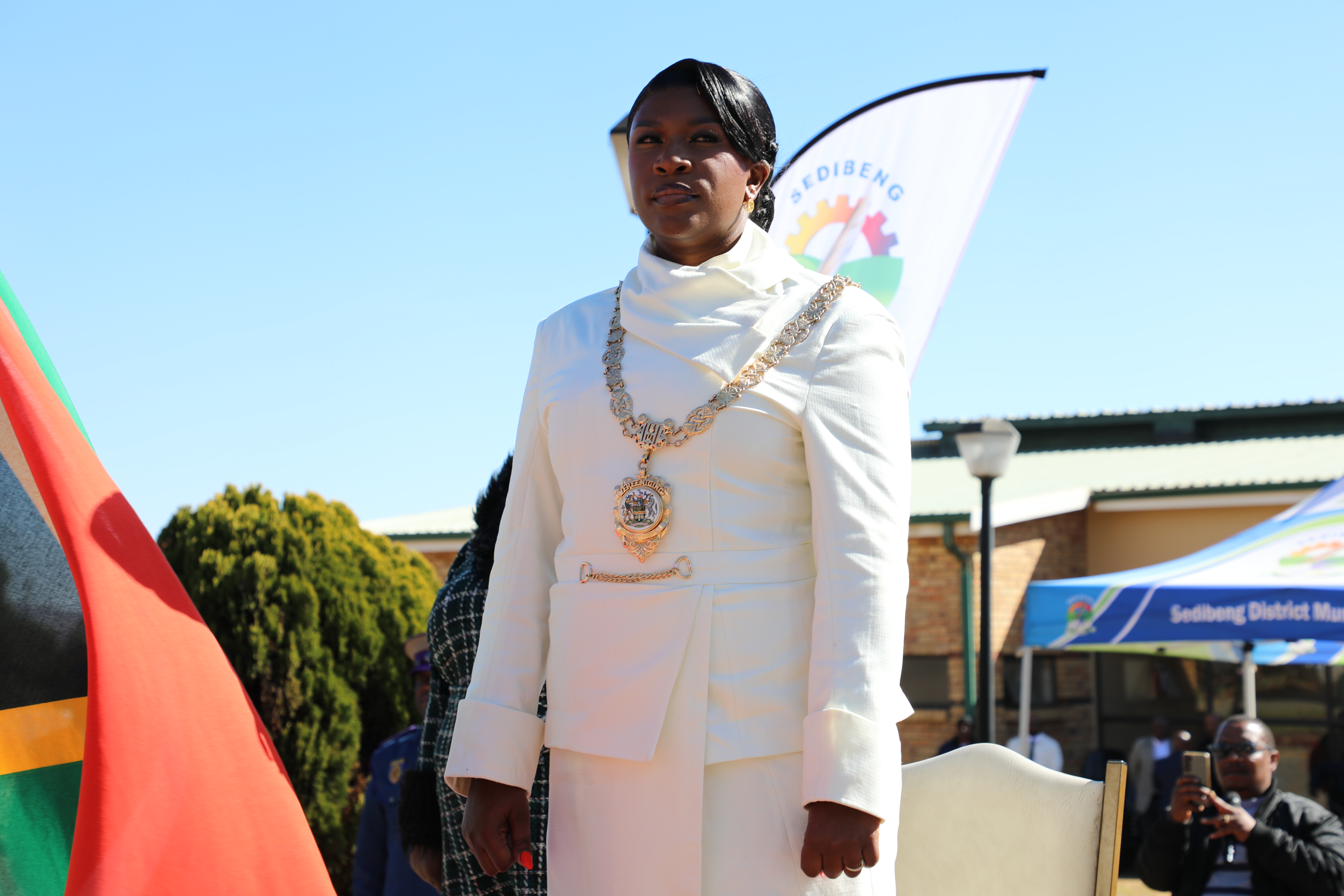
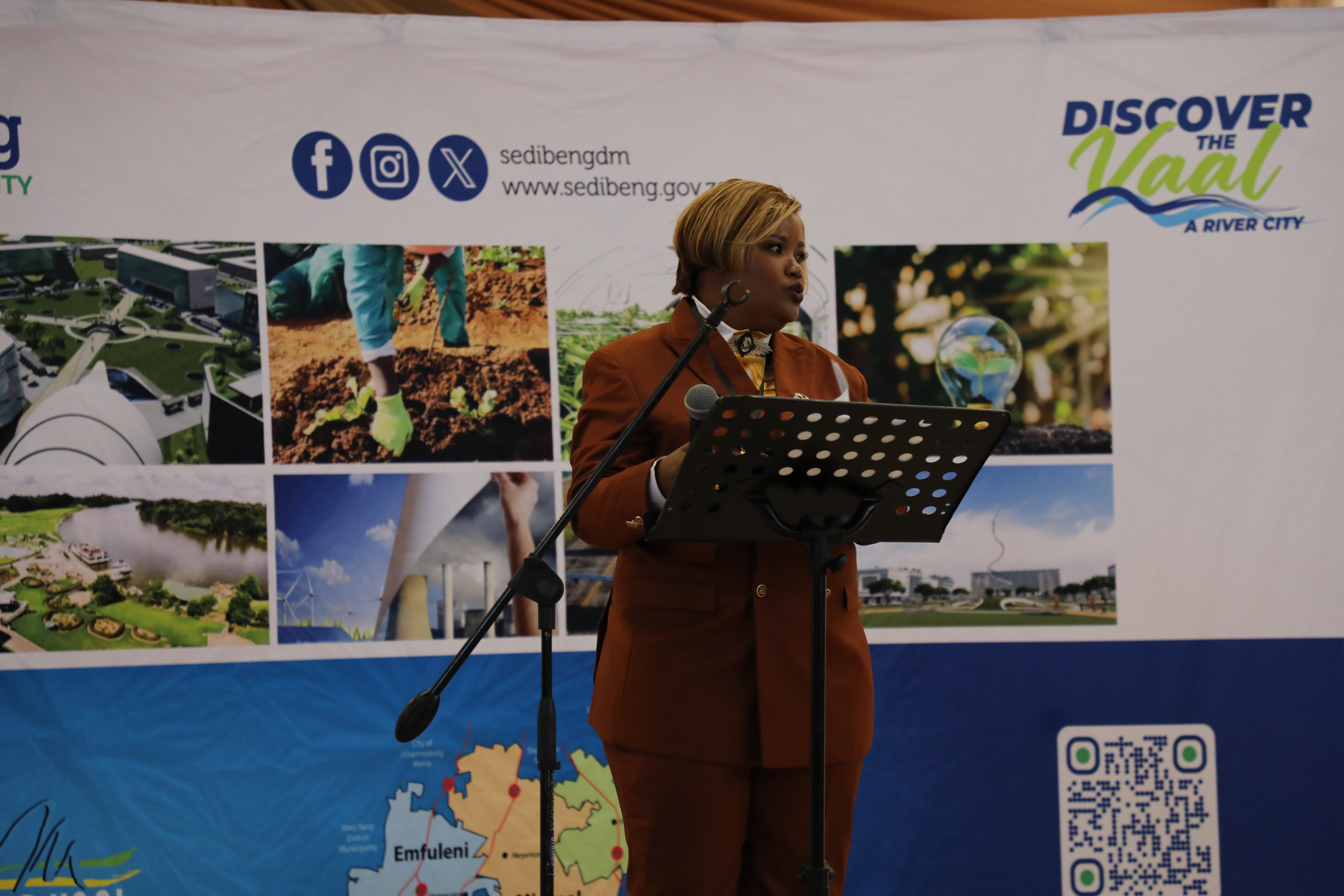
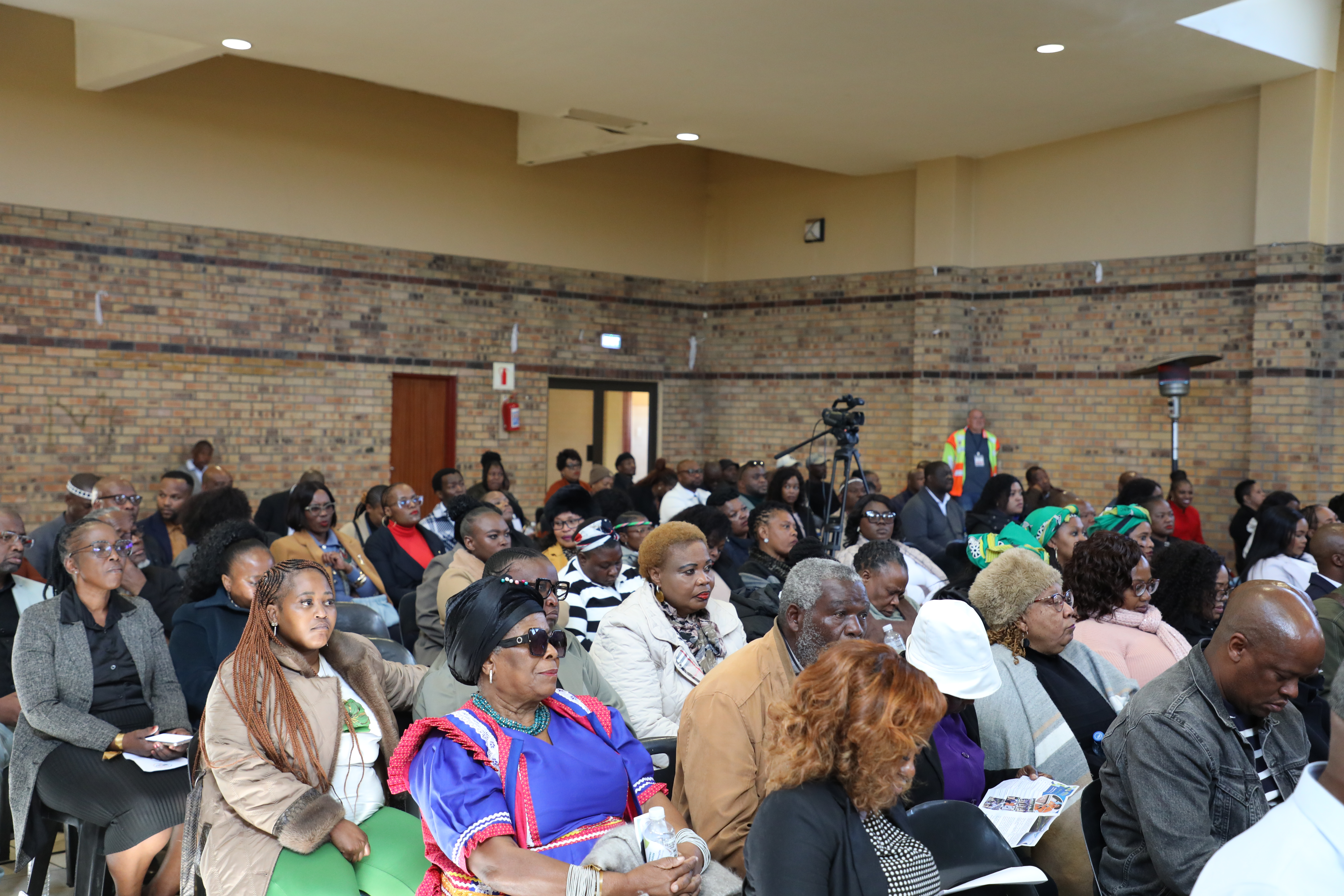
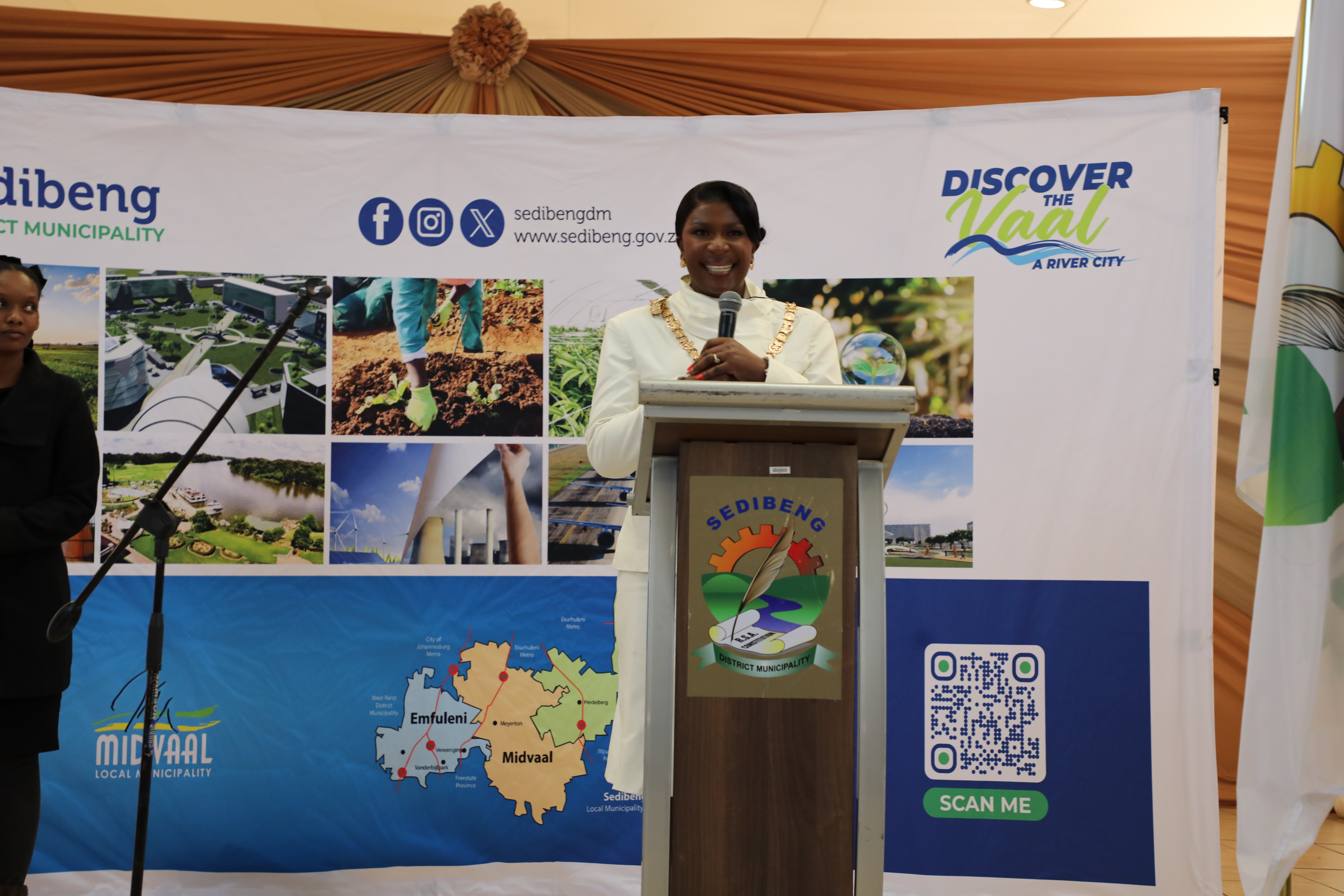
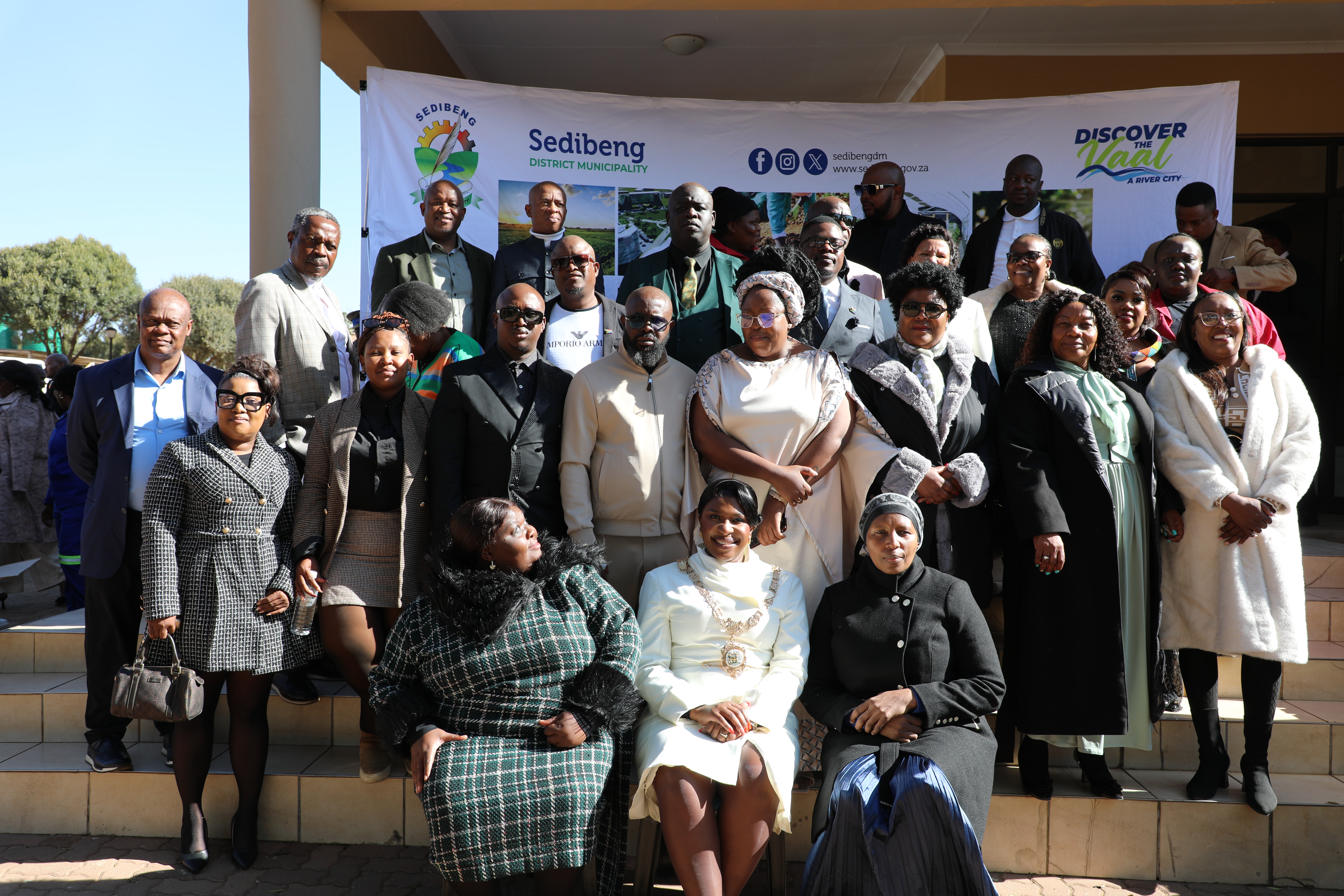
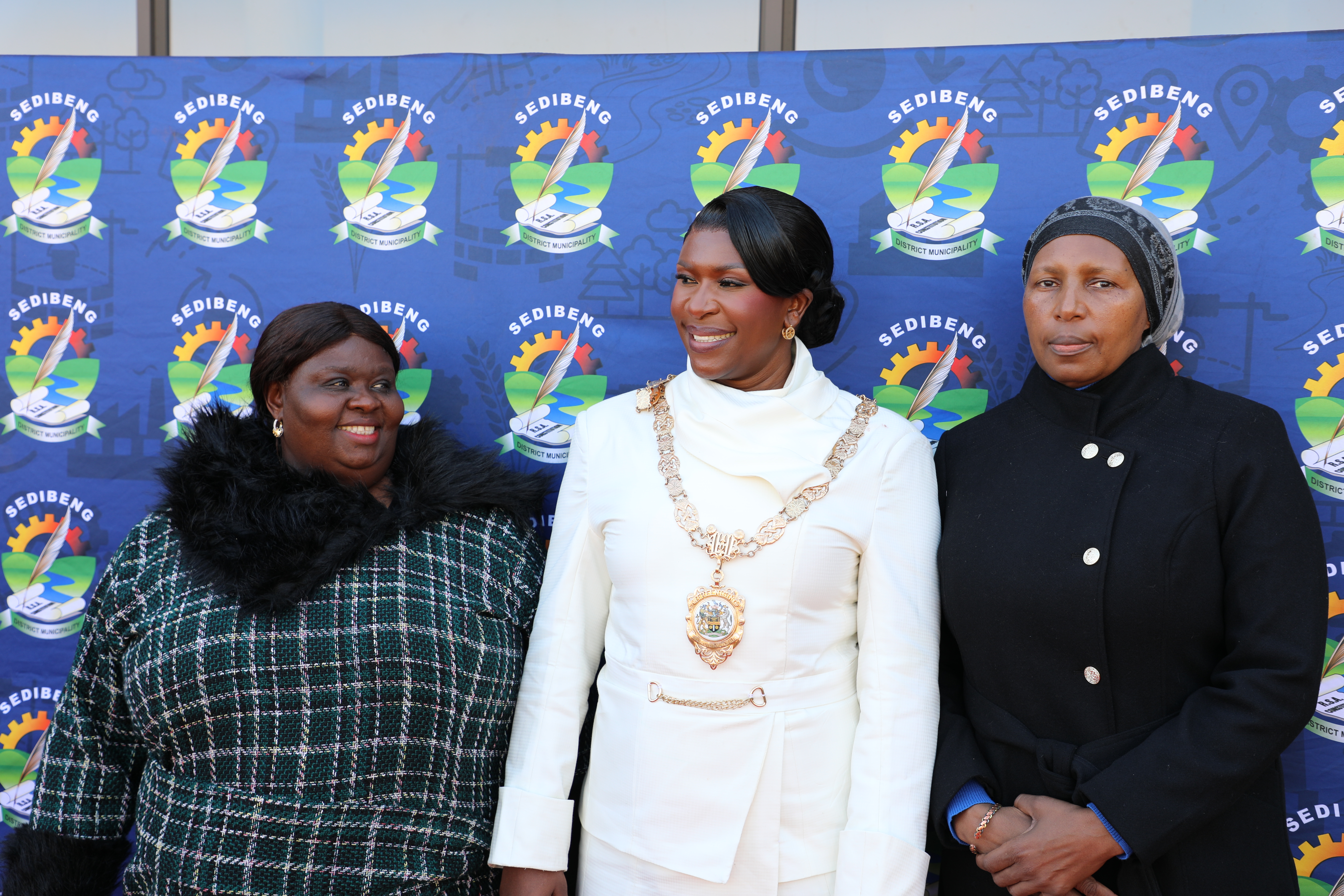
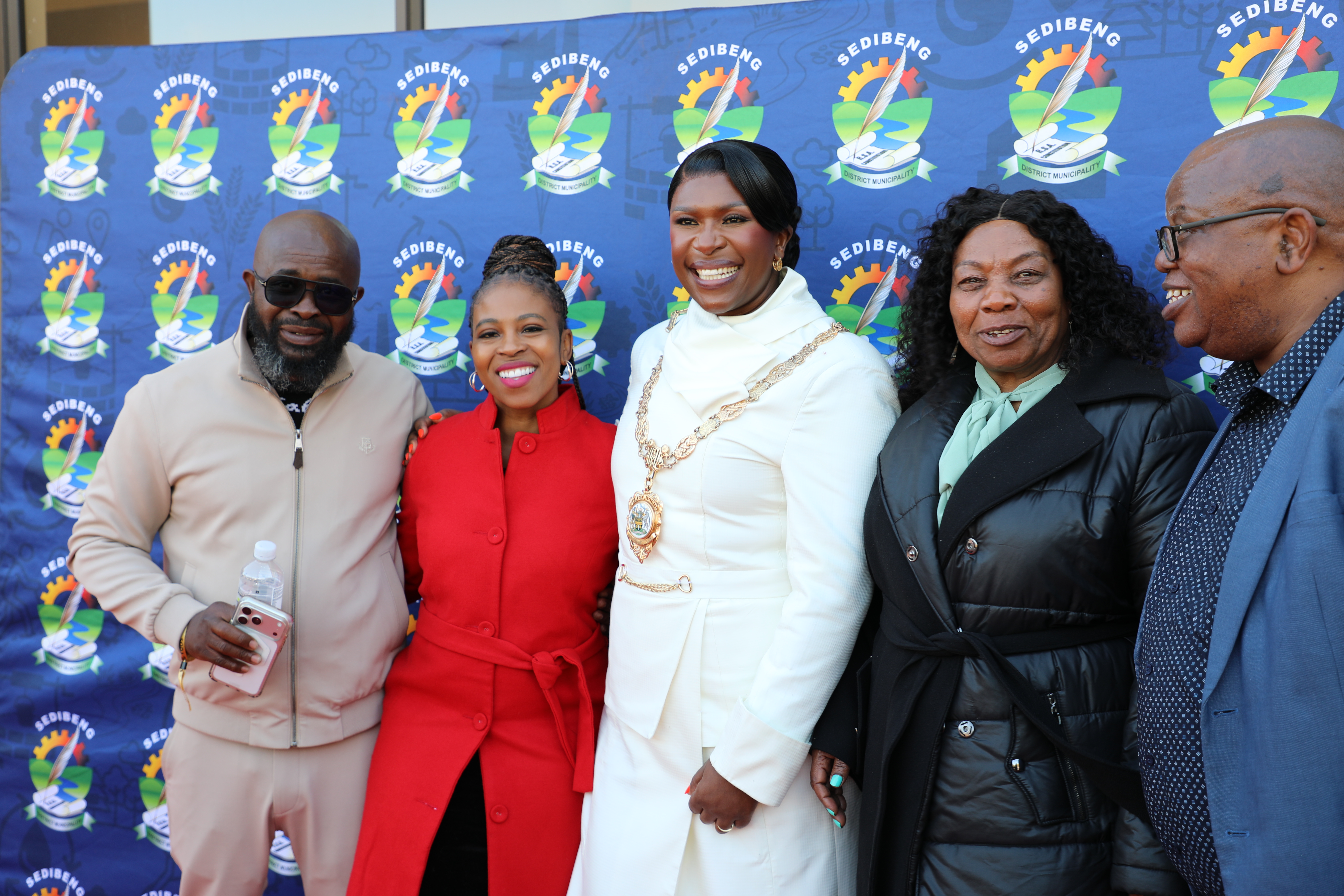
Executive Mayor of Sedibeng District Municipality, Councillor Lerato Maloka, delivered the 2026 State of the District Address in Ratanda on Thursday, under the theme: "Consolidating Our Plan, Re-Inventing Our Economy, and Accelerating Service Delivery Under the District Development Model."
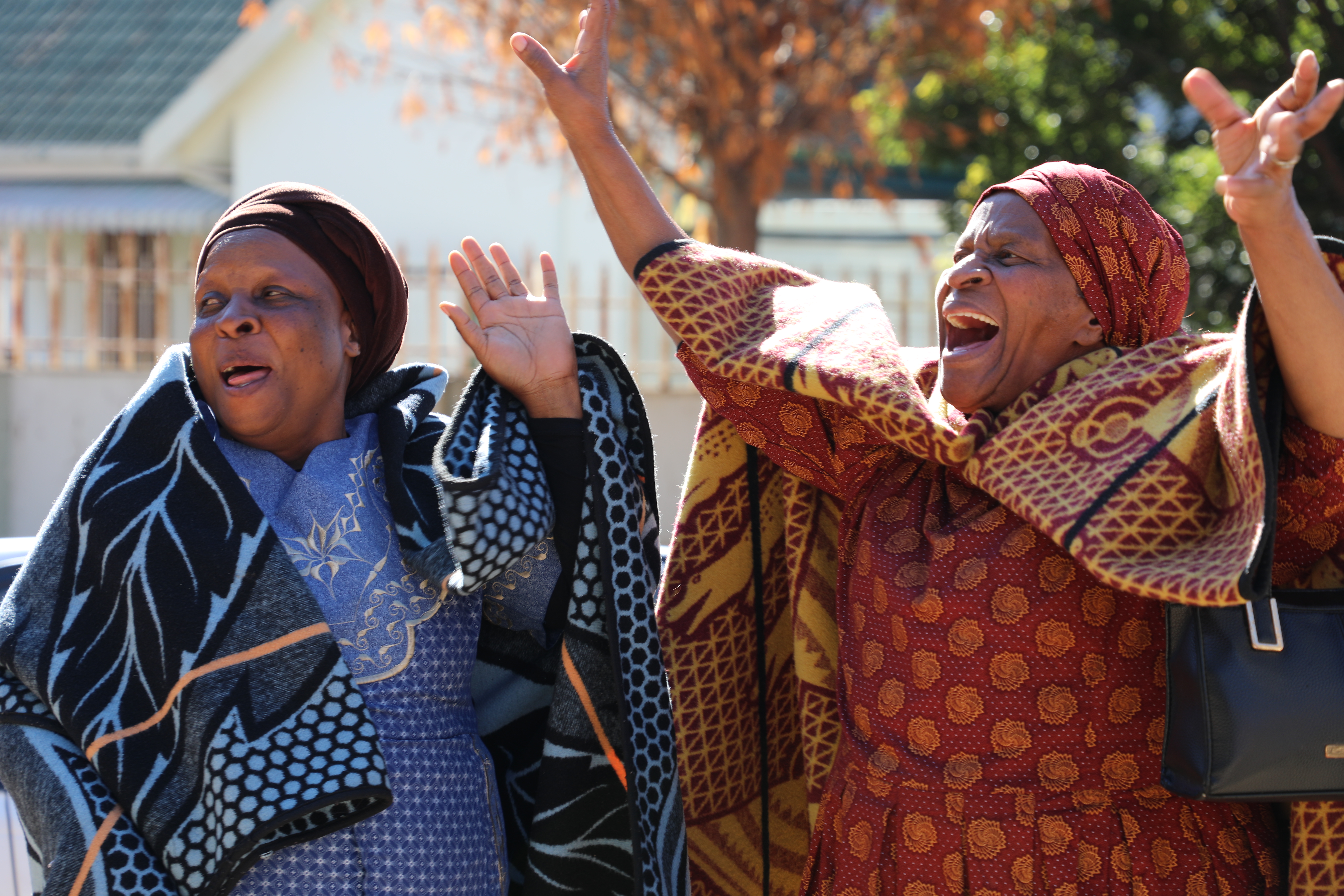
Addressing residents, councillors, business leaders, traditional and religious leaders, community stakeholders and government representatives, Cllr. Maloka outlined the district's progress, acknowledged persistent challenges, and presented a forward-looking roadmap for economic growth, infrastructure development and improved service delivery.
Honouring Heritage and Resilience
The Mayor opened by reflecting on Sedibeng's defining role in South Africa's democratic history — from the signing of the Treaty of Vereeniging in 1902 and the Sharpeville Massacre of 1960, to the Boipatong Massacre of 1992 and the signing of the Constitution in Sharpeville in 1996, thirty years ago.
The address paid particular tribute to the victims and survivors of the Ratanda bus attacks. On 3 September 1991, a bus transporting workers from Balfour was ambushed, leaving several residents severely injured and claiming innocent lives. On 30 September 1992, a grenade was thrown into a moving bus, killing one person and injuring 33. The Mayor acknowledged survivor Ms. Ouma Msimanga, who lost her legs in that attack, honouring her resilience and the community's refusal to be broken.
The address also mourned the 14 young learners killed in the Sebokeng scholar transport tragedy on 19 January 2026, and paid tribute to the late former Councillor Taudi Simon Maphalla, who passed away on 19 May 2026 after serving three full terms in local government.
Socio-Economic Overview
Cllr. Maloka grounded the address in verified data. The district's unemployment rate has risen from 31.9% in 2015 to 36.2% today. In 2024, Sedibeng's economy grew by just 0.9% — with Lesedi leading at 2.5%, Midvaal at 1.8%, and Emfuleni trailing at 0.5%. Full-year estimates for 2025 reflect a contraction of 0.8%, driven by declines in construction (-11.9%), electricity (-7.3%), transport (-3.6%) and mining (-2.1%).
However, the district is projected to recover, with output expected to expand by 1.6% in 2026 and 1.9% in 2027, led by Emfuleni at 1.9% and 2.2% respectively.
On a positive note, Sedibeng's Human Development Index improved from 0.75 in 2015 to 0.77 in 2024, and the proportion of residents living below the Lower Bound Poverty Line fell from 47.3% to 42.3% over the same period. Access to piped water stands at 99%, sanitation at 94.9%, and formal housing at 89.8% — though refuse removal dropped to a district average of 67.8%, with Emfuleni falling to 60.5% due to an ageing waste fleet.
Economic Recovery and the Vaal Special Economic Zone
Central to Sedibeng's industrial turnaround is the Vaal Special Economic Zone (SEZ), encompassing 3,080 hectares of secured land under 99-year lease agreements. Bulk infrastructure work commenced on 2 February 2026 at the Heidelberg Extension 24 site in Lesedi, backed by a committed budget of R270 million.
The current investment pipeline includes:
- A R2.1 billion Biochemicals Plant in Lesedi — creating 1,140 direct and indirect jobs
- A R4.3 billion Hydrogen Fuel Cell Plant in Emfuleni — spanning 15,000 square metres, targeting commissioning by 2028
- A R2.4 billion Green Methanol Processing Plant in Emfuleni — developed in partnership with the German Government through GIZ, creating 500 direct jobs by 2030
- A R1.9 billion Gas-to-Power Facility in Midvaal — generating 100 megawatts of electricity and 150 direct jobs
Medium to long-term expansions include the Vaal Aerotropolis, a 6,000-hectare greenfield master plan backed by R1.4 billion in initial Citibank funding projected to unlock 18,000 jobs, and the Khwelamet Smelter Facility near Kookfontein, which will generate 5,200 total jobs.
Reflecting on the district's trajectory, Cllr. Maloka was unequivocal:
"We cannot budget our way out of a structural crisis through austerity alone — we must innovate. Sedibeng is open for business, and the world is taking notice."
Budget and Financial Position
For the 2025/2026 financial year, the municipality managed a total budgeted revenue of R446 million against expenditure of R445 million, yielding a modest operational surplus of R974,000. Employee costs at R339 million represent 76% of total operating expenditure — the municipality's single largest cost driver.
Since 2021, the district has procured goods and services from over 2,556 suppliers, representing a total investment of R115 million. Of this, 37% was directed to suppliers within Sedibeng — 30% in Emfuleni, 4% in Lesedi, and 3% in Midvaal. The municipality has committed to aggressively increasing local procurement, with deliberate focus on women-owned, youth-owned, township and disability-led enterprises.
Agency fees from the municipality's four vehicle licensing centres in Meyerton, Heidelberg, Vanderbijlpark and Vereeniging are estimated to contribute R95.263 million in the current financial year.
Youth at the Centre of Development
As South Africa marks 50 years since the 1976 Youth Uprising, Cllr. Maloka reaffirmed the municipality's commitment to young people through education, Fourth Industrial Revolution skills, entrepreneurship and employment programmes. The address also celebrated two Sharpeville-born players — Relebohile Mofokeng (21) and Tshepang Moremi (25) — selected for the Bafana Bafana squad for the FIFA World Cup 2026, kicking off from 11 June to 19 July 2026.
Infrastructure and Service Delivery
Key infrastructure milestones reported include:
- Launch of the Vereeniging Intermodal Facility on 14 May 2026, supporting the taxi industry and local SMEs
- R1.6 billion already executed under the landmark R7.6 billion Section 63 Water and Sanitation Intervention in Emfuleni — with Pump Stations 2, 8, 9 and 10 at 100% completion, 50 collapsed sewer pipelines replaced, and three wastewater treatment works restored to full functionality
- Installation of 100 solar panels at the Vereeniging Fresh Produce Market, moving 50% of premises to alternative power
- Active management of the 783-unit Obed 'Mthombeni' Nkosi housing project in Lesedi and the 540-unit solar-powered Sicelo Shiceka Extension 5 project in Midvaal
- Unveiling of 145 new fleet vehicles in Emfuleni for waste removal, road maintenance and traffic services
- Launch of Thetha FM community radio studio — now reaching close to 200,000 listeners across the district
In skills development, the municipality partnered with Services SETA for Business Administration Learnerships, enrolled 250 learners in a National Certificate in Plant Production, and deployed 20 learners into New Venture Creation entrepreneurship programmes.
Disaster Management
Between July 2025 and May 2026, the municipality's Disaster Management teams responded to 192 incidents, including flash flooding and storm damage, distributing 1,085 relief materials, including mattresses, tents and blankets to affected families.
Active Citizenship and Voter Registration
With the voter registration weekend set for 20 and 21 June 2026, the Mayor urged residents, particularly youth aged 18 to 34 — to register ahead of the 2026 Local Government Elections. National data indicates that 35% of the eligible population remains unregistered.
Looking Ahead
Cllr. Maloka concluded by reaffirming the municipality's commitment to accountable governance, economic revitalisation and infrastructure delivery. The adoption of the 2026/27 IDP Review and the Medium-Term Revenue and Expenditure Framework was described as a binding social contract with communities across Emfuleni, Lesedi and Midvaal.
Back to Latest NewsClick below to see pictures